
Spotlights
Tenley Eakin Raj
A spotlight conversation with the filmmaker behind On Parenting and Travel.
Spotlight Interview
Tenley Eakin Raj
Could you please tell us a little bit more about your submitted project? How did you come up with such an original story?
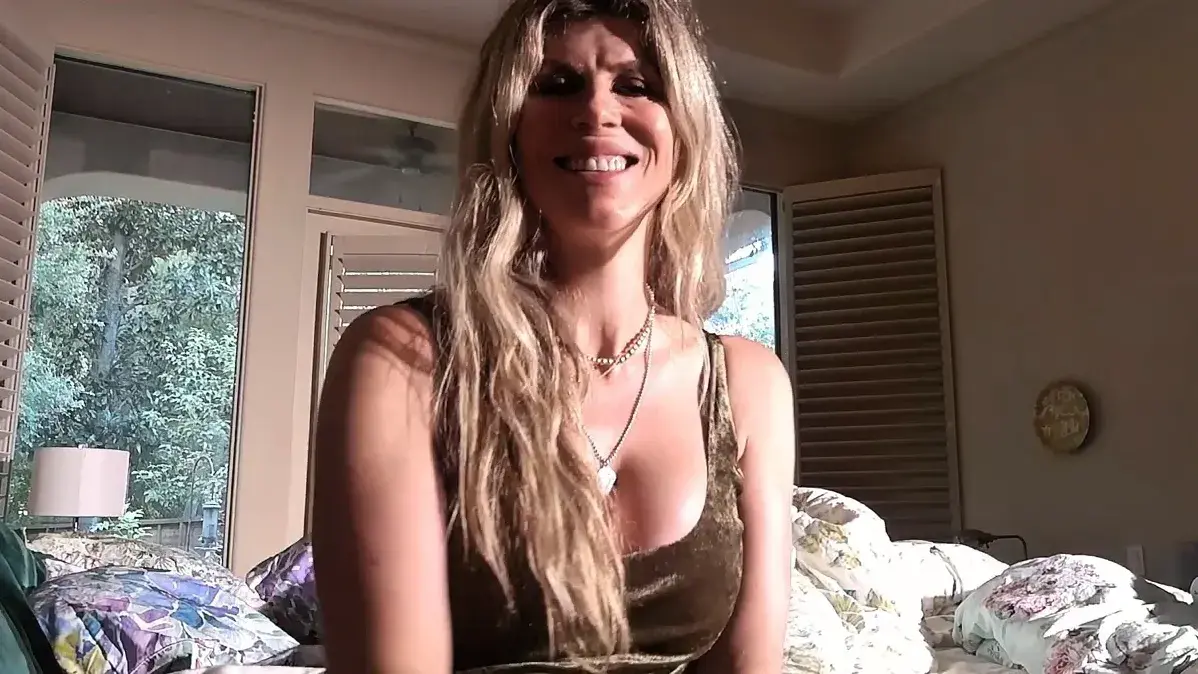
On Parenting and Travel is a three-minute confessional documentary. I shot it over two weeks alone at the beach with my two kids. I'm on camera, talking directly to it, and the monologue sits under fragmented, sun-drenched footage from those two weeks. The title cards are my own handwriting. I didn't come up with it so much as record it. I had a camera and two weeks and no one else to hand the kids to. The form came out of the conditions. What surprised me was how little I had to invent. Say the specific thing plainly enough and it stops being only yours
Tell us something about yourself and your background. Do you remember the first movie you watched? Were you enthralled?
I'm a filmmaker in Houston. I studied philosophy, which is probably why I keep making work that argues with itself. Since 2023 I've run a one-woman production: I write, shoot, direct, and cut. The films are semi-autobiographical and sit somewhere between documentary and fiction. I couldn't tell you the first movie I watched. What I remember is sitting close to the TV. My eyesight was bad, so I sat a few feet from the screen, close enough that it took up everything. I don't think I was enthralled by any particular film. I was enthralled by being that close to it.
Who are the directors that inspire you? What would be your favourite movie?
Sergio Leone and Lars von Trier. The Dollars trilogy is my favorite thing in movies. Leone will hold on a face for a full minute and let the tension do the work. No explanation. Von Trier is the opposite instinct and the same one: strip everything out, shoot handheld, on location, no lighting you didn't find there, and see what's left. Between them that's most of what I'm trying to do. Hold long enough, take enough away, and the thing shows itself.
Was there a particular time when you recognized that filmmaking is your way of telling stories?
2023. I'd been writing and painting for years before that. Then my marriage ended, and neither one could hold what I needed to say. Writing was too slow and painting was too quiet. I picked up a camera that year and haven't put it down. Everything I've made since has been a one-woman production.
What are some of the biggest challenges you encountered in making this film?
The courage to put it out.
What were the production realities from casting through editing that you had to accommodate?
There was no casting. My two kids were the film and they were also the reason I couldn't shoot when I wanted to. I was alone with them for two weeks, so every setup happened around them: I filmed in the gaps, while they were in the water or asleep or eating. The direct-to-camera pieces I shot when they were occupied for ten minutes at a time. If they needed me mid-take, the take ended. Some of what's in the film is those endings. I edited after they went to bed. One person, one camera, no crew, no second chance at the light. The constraints made the form. A three-minute film was what those two weeks could actually produce.
What are the audience reviews of your project?
My film has been accepted into the 16th annual Video Art & Experimental Film Festival (VAEFF), taking place at the iconic Cinema Village in New York City from November 13th to 15th. Audience views on instagram of the trailer are through the roof.
Do you believe that a filmmaker should always bring something original, or stick to classic cinema styles?
Whatever you want
Do you think that film festivals play an important role in the filmmaking industry? Why are they necessary? How do you get the most out of them?
I make these alone. No crew, no distributor, no one waiting for the finished thing. A festival is where the film stops being mine and becomes something a room full of strangers sits through. That's the whole reason I submit. Not the laurels, though I use them. The proof that the work travels. As for getting the most out of them, I'm still learning. So far it's been: submit more than feels reasonable, read the rejections for what they tell you about fit, and pay attention to which festivals actually watch your film.
What are your future plans in your filmmaking career?
To keep making film. I've been making short work because short work is what I could make alone with two kids. The next one is a feature. It's called The Gemstone, and it's about a writer who goes to treatment and comes out writing a film about it. I'm still in the script. Everything before it has been practice for holding something longer. I don't plan to stop working the way I work. One person, small crew if any, the specific thing said plainly.
Curtain Call
More Voices From the Spotlight
Meet the other filmmakers of this season, then bring your own story to Barcelona.