
Spotlights
Victoria Napolitano
A spotlight conversation with the filmmaker behind THE LOUNGE: After Dark.
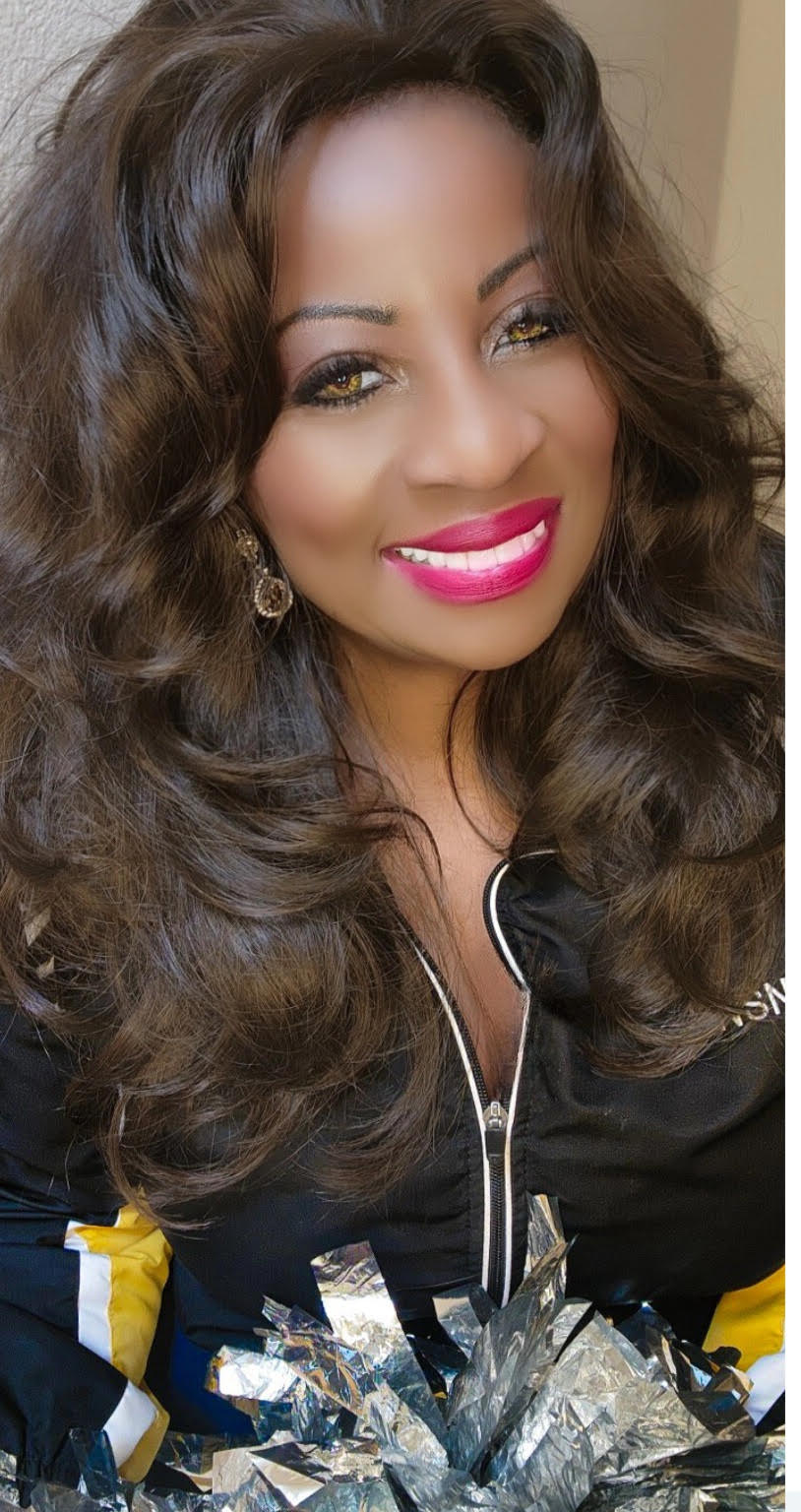
Spotlight Interview
Victoria Napolitano
Creative Director · Director & Producer · THE LOUNGE: After Dark
Victoria Napolitano is the Creative Director of House of Victoria Napolitano, working across film, fashion and fragrance. Her project THE LOUNGE: After Dark was born during a four-year recovery following a severe car accident, and channels visual design, ambient scores and narrative mood into an immersive world of intrigue and recovery.
Could you please tell us a little bit more about your submitted project? How did you come up with such an original story?
THE LOUNGE: After Dark was born during a transformative four-year recovery following a severe car accident on November 27, 2022. To pull myself out of physical despair, I channeled my energy into visual creation. The design process alone took a year and four months. It became an avenue of personal resilience—merging ambient scores and narrative mood to create an immersive world of intrigue and recovery.
Tell us something about yourself and your background. Do you remember the first movie you watched? Were you enthralled?
My early cinematic memory is rooted in Wuthering Heights. I was spellbound by the physical and visual transformation—watching a plain character transition into extraordinary, dynamic ball gowns with striking hair and makeup. That stark "before and after" demonstrated how aesthetic design and styling can completely alter narrative presence, a principle that dictates my work today.
Who are the directors that inspire you? What would be your favorite movie?
I deeply admire Clint Eastwood for his old-school discipline and calm set environment. He maintains quiet, focused sets where only the essential actors and crew operate, avoiding chaotic, high-stress noise. I believe a director must listen to their actors as a team rather than dictating from a one-dimensional standpoint. A controlled, peaceful set allows true artistic performance to flourish.
Was there a particular time when you recognized that filmmaking is your way of telling stories?
When I launched my first perfume, Secret Letters, I realized a static print advertisement could never capture the story. I hired actors and a videographer, traveled to Carmel-by-the-Sea, and scripted a passionate commercial that evolved into a true narrative short film. That experience proved that cinema was the only medium capable of expressing my complete multi-sensory vision.
What are some of the biggest challenges you encountered in making this film?
Production realities force instant adaptation. During one shoot, working with an unvetted hair and makeup artist cost us three and a half hours of prep time, completely losing our natural coastal sunlight. We had to reschedule and move to a totally different location on a separate day. While the finished piece turned out beautifully, it taught me a crucial production lesson: unvetted crew can alter an entire artistic trajectory in minutes.
What were the production realities from casting through editing that you had to accommodate?
I prefer casting non-traditional actors and models because they lack rigid, taught industry habits. They bring a raw, authentic energy to the camera. The production challenge is managing the interpersonal shifts—once emerging talent gets a taste of early recognition, sudden diva behavior requires firm executive boundaries during editing and release.
What are the audience reviews of your project?
Audiences respond strongly to the high-concept fusion of European discotheque style and luxury aesthetics. Elements like voice-activated disco lighting, custom motion-activated lightweight sets, an active bar, and treadmills create a Saturday Night Fever atmosphere. Viewers love that it feels less like a gym or technical video and more like an exclusive night at a private European club.
Do you believe that a filmmaker should always bring something original or stick to classic cinema styles?
Updating style is a careful balance. Pushing boundaries to shock, disrespect, or present crude imagery misses the point of cinema. The ultimate purpose of film is to allow audiences to get lost in your world and fall in love with your vision. Innovation should elevate wonder and elegance rather than rely on graphic shock value.
In Their Words
"The ultimate purpose of film is to allow audiences to get lost in your world and fall in love with your vision."
Victoria Napolitano
Do you think that film festivals play an important role in the filmmaking industry? Why are they necessary? How do you get the most out of them?
Festivals are vital, but the industry has increasingly shifted toward corporate greed, where major corporate festivals often favor deep pockets over raw talent. To get the most out of the festival circuit, filmmakers must avoid the "spray and pray" approach and target specific, authentic genre festivals that truly respect independent narrative art.
What are your future plans in your filmmaking career?
I will continue traveling the world, crafting cinematic short films that bridge haute couture, luxury skincare, and narrative storytelling. I am dedicated to seeking out authentic actors and models worldwide to bring these creative worlds to life.
Curtain Call
More Voices From the Spotlight
Meet the other filmmakers of this season, then bring your own story to Barcelona.