
Spotlights
Özlem Özel
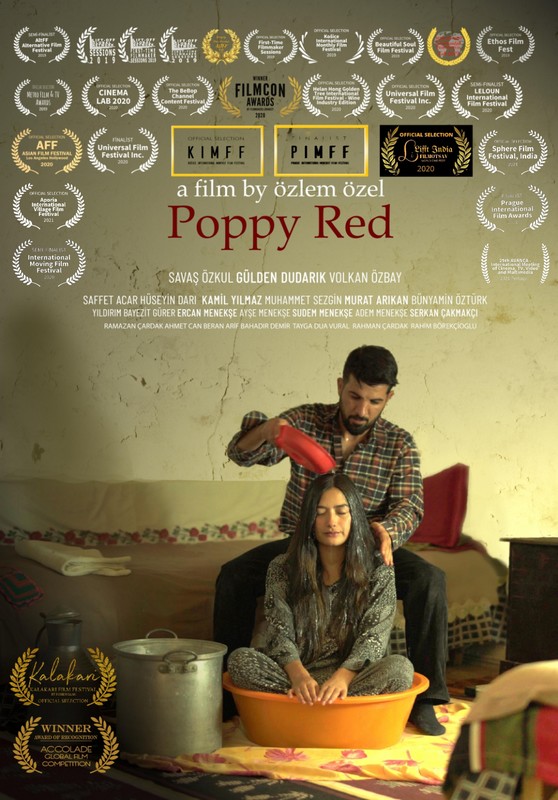
A conversation with the filmmaker who carried the human stories of her childhood village to the screen - earning awards for best director and best Asian film along the way.
Spotlight Interview
Özlem Özel
Filmmaker
Özlem spent her childhood in a village where, in her words, innocent people had bad fates; after an earthquake in 1995 her family lost everything and moved to another city. She started writing in 2013, when she realised that a story in her mind was a script, not a novel - and her film has since brought her awards for being the best director and the best Asian film.
Hi Özlem, could you please tell us a little bit more about your submitted project? How did you come up with such an original story?
The story of the project is actually the sum of the human stories I saw in my village when I was little. Looking back now, I thought that those days would not come back again, that those stories should be carried into the future, whether for good or bad.
Tell us something about yourself and your background. Do you remember the first movie you watched? Were you enthralled?
I spent my childhood in a village where innocent people had bad fates. However, there was an earthquake in 1995 where we lived, and we lost everything and moved to another city. I remember that the movie I watched for the first time was about Ataturk and I watched it in the cinema. It was unique to watch it at the cinema. Everything was so real.
Who are the directors that inspire you? What would be your favourite movie?
Directors who inspired me, Nuri Bilge Ceylan, Akira Kurosawa, Bong Joon Ho, Abbas Kiarostami. My favorite movie Parasite.
Was there a particular time when you recognized that filmmaking is your way of telling stories?
I started writing in 2013 when I realized that a story that came to my mind was a script, not a novel.
What are some of the biggest challenges you encountered in making this film?
The filming of the film is full of complete impossibilities. The supporting actors are generally volunteer actors and musicians from my hometown. But the main actors are experienced and well-known actors. The art management was done by my family. The wedding dress belongs to my aunt. The music belongs to my uncle. One day when we were shooting a scene for the rain prayer, it rained after the prayer.
What are the audience reviews of your project?
Those who watched my project, sometimes laughed and remembered the old days. And sometimes they cried.
Do you believe that a filmmaker should bring always something original or he/she should stick to classic but cinema styles?
It gives me comfort to have an original story. But, as you know, there are certain topics that are covered in cinema.
Do you think that film festivals are playing an important role in filmmaking industry? Why are they necessary? How do you get the most out of them?
Film festivals give me ideas on interpreting the work I do and how to make the next film. It helps me to see my mistakes. This also gave me the awards for being the best director and the best Asian film.
What are your future plans in your filmmaking career?
In the future, I want to continue my good scripts with a co-producer if I can find a supporter or if I can do the distribution and advertising of Poppy Red Film well.
From the Interview
“One day when we were shooting a scene for the rain prayer, it rained after the prayer.”
Özlem Özel
Curtain Call
More Voices From the Festival
Meet the rest of the filmmakers we spotlighted that season, or bring your own story to the Barcelona Indie Awards.